Source Top Mounted Inlet Camshaft for Power Generation, Passenger Vehicles, and Machinery
Compare 30 available Top Mounted Inlet Camshaft options from verified Chinese manufacturers. Buyers can evaluate specifications including material types like cast iron and steel, engine compatibility, and customization support for diverse industrial applications.
Key considerations
Products List


Upgraded Performance Camshaft for Increased Engine Output and Longevity
$229.00 - $269.00
MOQ: 1 Pieces

High-Performance Engine Camshaft for Enhanced Power and Torque Output
$12.00 - $30.00
MOQ: 1000 Pieces


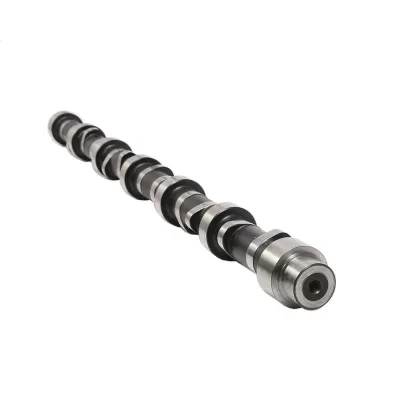
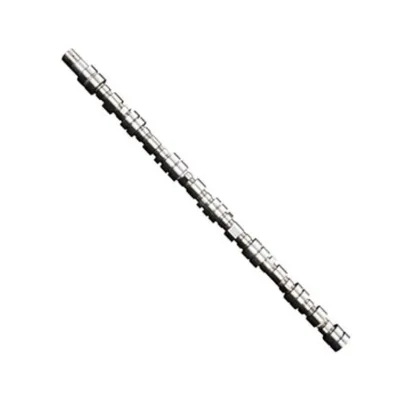


Made in China Crank Shaft Camshaft 131371-4900 Injection Cam Shaft Assembly
$11.14 - $12.25
MOQ: 6 Pieces

Comprehensive Sourcing Guide
Strategic Sourcing Guide for Top Mounted Inlet Camshafts
Understanding Technical Specifications and Material Composition
When sourcing a Top Mounted Inlet Camshaft, the primary focus must be on the precise engineering parameters that define its operational integrity. The term "top mounted" refers to the specific camshaft layout where the camshaft is positioned directly above the cylinder head, a configuration often found in modern overhead cam (OHC) engine designs. This layout requires strict adherence to dimensional tolerances and geometric precision to ensure proper valve timing and lift. Based on observed market data, the camshaft angle for such components is frequently standardized at 180 degrees, which dictates the rotational symmetry and valve opening sequence. The physical shape is critical; while the component is a camshaft, the underlying geometry often relates to crankshaft dynamics in terms of rotational balance, necessitating high-precision machining.
Material selection is the second pillar of technical specification. The supply chain for these components exhibits a diverse range of base materials, including steel, cast steel, cast iron, and stainless steel. For high-stress applications like power generation equipment or heavy-duty passenger vehicles, cast steel and cast iron are prevalent due to their durability and wear resistance. Conversely, stainless steel may be specified for applications requiring corrosion resistance in chemical or petroleum environments. The hardness of the component is not a fixed value but is typically "as the request," allowing buyers to specify HRC, HB, or BHN values based on their specific engine requirements. Surface treatment processes such as polishing, quenching, tempering, and normalization are essential to enhance fatigue life. Additional finishing options like anodizing, chrome plating, zinc plating, or powder coating provide further protection against environmental degradation.
Compliance, Certification, and Standard Verification
Navigating the regulatory landscape is essential for international procurement. Buyers must verify that suppliers adhere to recognized international and national standards. The market data indicates a strong presence of DIN, ASTM, GB, JIS, ANSI, and BS standards. These standards govern everything from material composition to dimensional tolerances and testing protocols. For instance, specific product models may be associated with standards like GB and JIS, while others might be manufactured to customer-specific needs. It is imperative to confirm that the supplier's manufacturing process aligns with these standards rather than relying on generic claims.
Certification serves as a third-party validation of the supplier's quality management systems. The most common certifications observed in this sector include CE and ISO 9001. The ISO 9001 certification, specifically noted in the context of manufacturing processes involving forging, indicates a commitment to consistent quality control. However, buyers should not assume that every listed product automatically satisfies all certification requirements. Verification is required to ensure that the specific batch of camshafts being purchased is covered under the valid certification scope. Additionally, the origin of the product, often listed as China, should be cross-referenced with trade compliance requirements and any potential tariffs or import regulations applicable to the buyer's region. The "By The Customer Needs" standard suggests a high degree of flexibility, but this also places the burden on the buyer to clearly define the compliance requirements in the initial inquiry.
Cost Drivers and Pricing Variables
The pricing structure for top mounted inlet camshafts is influenced by a complex interplay of factors, resulting in a wide observed price range from $0.01 to $1000 USD. This variance is not indicative of quality differences alone but reflects the diversity of product specifications, material costs, and order volumes. The minimum order quantity (MOQ) is equally variable, ranging from 1 to 1000 units. Buyers with low-volume needs may face higher per-unit costs due to setup fees and the inefficiency of small-batch production, whereas high-volume orders can leverage economies of scale to reduce unit prices significantly.
Material costs are a primary driver. The transition from standard cast iron to specialized stainless steel or high-grade steel will directly impact the base cost. Furthermore, the complexity of the manufacturing process plays a significant role. Processes such as isostatic pressing, forging, and multiple heat treatment cycles (quenching, tempering, normalization) add layers of cost. The surface treatment requirements, such as chrome plating or powder coating, also contribute to the final price. Packaging costs are another often-overlooked factor; options range from bulk shipping to 5-layer kraft cartons or wooden boxes, with specific dimensions like 505420495mm affecting freight calculations. Ocean freight is a common shipping method, and the container capacity, such as 400 pieces per 20GP container, must be factored into the total landed cost. Buyers should request detailed breakdowns of material, processing, and packaging costs to understand the true cost drivers rather than accepting a single lump-sum price.
Typical Applications and Engine Compatibility
Top mounted inlet camshafts are integral to a wide array of mechanical systems, with their application defining the necessary performance characteristics. The data highlights usage in power generation equipment, passenger vehicles, and heavy machinery. In the automotive sector, these components are compatible with various engine types, including turbocharged gasoline engines and naturally aspirated gasoline engines. The engine displacement varies significantly, with examples ranging from 1.5L to 14L, indicating that the camshaft must be matched precisely to the engine's specific architecture. For instance, a 14L displacement engine, potentially associated with an Nt855 engine type, will require a camshaft with different load-bearing capabilities compared to a 2.0t displacement engine.
Beyond automotive and power generation, these components find application in the refractory, grinding, petroleum, chemical, and construction industries. In these sectors, the camshaft may be part of larger machinery where reliability is paramount. The "Content" of the material, sometimes specified as 60% to 65%, may refer to specific alloy compositions or density requirements critical for these heavy-duty applications. The size classification, such as "Middle," further categorizes the component for specific machine fits. Buyers must ensure that the camshaft's physical dimensions, such as the gross weight and length (e.g., 1.688kg/362mm or 25kg/1050mm), align perfectly with the host machinery's design specifications. Mismatched dimensions can lead to catastrophic engine failure or equipment downtime.
Supplier Evaluation and Customization Capabilities
Evaluating a supplier for top mounted inlet camshafts requires a deep dive into their customization capabilities and production flexibility. The market data confirms that customization is available, with many suppliers offering OEM (Original Equipment Manufacturer) support. This is crucial for buyers with unique engine designs or specific performance requirements that deviate from standard off-the-shelf parts. The ability to produce to "By The Customer Needs" standard is a key differentiator, allowing for tailored solutions in terms of material, heat treatment, and surface finishing.
However, the presence of customization does not guarantee quality. Buyers should assess the supplier's engineering team to ensure they can translate custom requirements into viable manufacturing plans. The production process, which may include forging or isostatic pressing, must be robust enough to handle custom orders without compromising consistency. The supplier's location, typically China, should be evaluated for logistical efficiency and communication capabilities. Lead times and production capacity are critical factors; while specific lead times are not universally fixed, the ability to handle large volumes, such as 400 pieces per container, indicates a mature supply chain. Buyers should request evidence of past successful custom projects and verify the supplier's ability to maintain quality control across different batch sizes.
Quality Control and Long-Term Procurement Considerations
Ensuring long-term supply chain stability requires rigorous quality control measures. The manufacturing process involves multiple stages, from raw material selection to final finishing. Buyers should insist on a comprehensive quality assurance plan that includes material testing, dimensional inspection, and performance validation. The hardness requirements, specified as "as the request," necessitate precise testing protocols to ensure the component meets the specified HRC, HB, or BHN values. Surface treatments like polishing and plating must be inspected for uniformity and adhesion to prevent premature failure.
Packaging is also a critical aspect of quality control during transit. The use of 5-layer kraft cartons or wooden boxes, along with specific packing dimensions, ensures that the camshafts arrive without damage. For bulk shipments, the suitability for shipping containers must be verified to prevent shifting and impact damage. Long-term procurement considerations include the supplier's ability to maintain consistent quality over time and their responsiveness to any quality issues that may arise. The availability of spare parts and the potential for future customization should also be factored into the supplier selection process. By establishing a clear framework for quality verification and maintaining open communication channels, buyers can mitigate risks and ensure a reliable supply of top mounted inlet camshafts for their operations.
Comparative Analysis of Product Attributes
To facilitate decision-making, the following table summarizes key attributes observed in the market for top mounted inlet camshafts. This comparison helps buyers identify the specific characteristics that align with their project requirements.
| Attribute Category | Observed Options | Key Considerations for Buyers |
|---|---|---|
| Material | Steel, Cast Steel, Cast Iron, Stainless Steel | Select based on load, corrosion resistance, and cost. |
| Engine Type | Turbocharged Gasoline, Naturally Aspirated, Nt855 | Must match the specific engine architecture and displacement. |
| Displacement | 1.5L, 2.0t, 14L | Critical for sizing and load-bearing capacity. |
| Surface Treatment | Polishing, Quenching, Tempering, Anodizing, Chrome Plating | Choose based on wear resistance and environmental exposure. |
| Certification | CE, ISO 9001 | Verify scope covers the specific product and manufacturing process. |
| Packaging | 5-Layer Kraft Carton, Wooden Boxes, Bulk | Ensure packaging prevents damage during ocean freight. |
| Customization | OEM, Customized, By Customer Needs | Confirm engineering support for non-standard requirements. |
| Standards | DIN, ASTM, GB, JIS, ANSI, BS | Verify compliance with local and international regulations. |
This structured approach to sourcing ensures that buyers can navigate the complexities of the Top Mounted Inlet Camshaft market with confidence, focusing on technical precision, compliance, and long-term value.
FAQs
What materials are used for top mounted inlet camshafts?
These components are commonly made from steel, cast steel, cast iron, or stainless steel. Material selection depends on the specific application, such as power generation equipment or passenger vehicles, and the required durability and corrosion resistance.
Which certifications are available for these camshafts?
Certifications like CE and ISO 9001 are available for verified manufacturing processes. Buyers should confirm that the specific batch meets these standards, as customization may alter the scope of certification coverage for the final product.
Can buyers request custom specifications for these parts?
Yes, customization is available with OEM support to meet specific customer needs. Suppliers can adjust materials, heat treatments, and surface finishes like polishing or chrome plating based on the exact engineering requirements provided by the buyer.
What is the typical MOQ for purchasing these camshafts?
The minimum order quantity ranges from 1 to 1000 units depending on the supplier. Lower volumes may incur higher per-unit costs, while larger orders can leverage economies of scale and specific container capacities like 400 pieces per 20GP.
How are these camshafts packaged for ocean freight?
Packaging options include 5-layer kraft cartons, wooden boxes, or bulk shipping suitable for ocean freight. Specific dimensions like 505*420*495mm are used to optimize container loading and ensure the parts arrive without damage during transit.
Which engine types are compatible with these camshafts?
They are compatible with turbocharged gasoline engines, naturally aspirated gasoline engines, and specific models like the Nt855. Compatibility depends on matching the engine displacement, which varies from 1.5L to 14L, and the specific camshaft layout.